

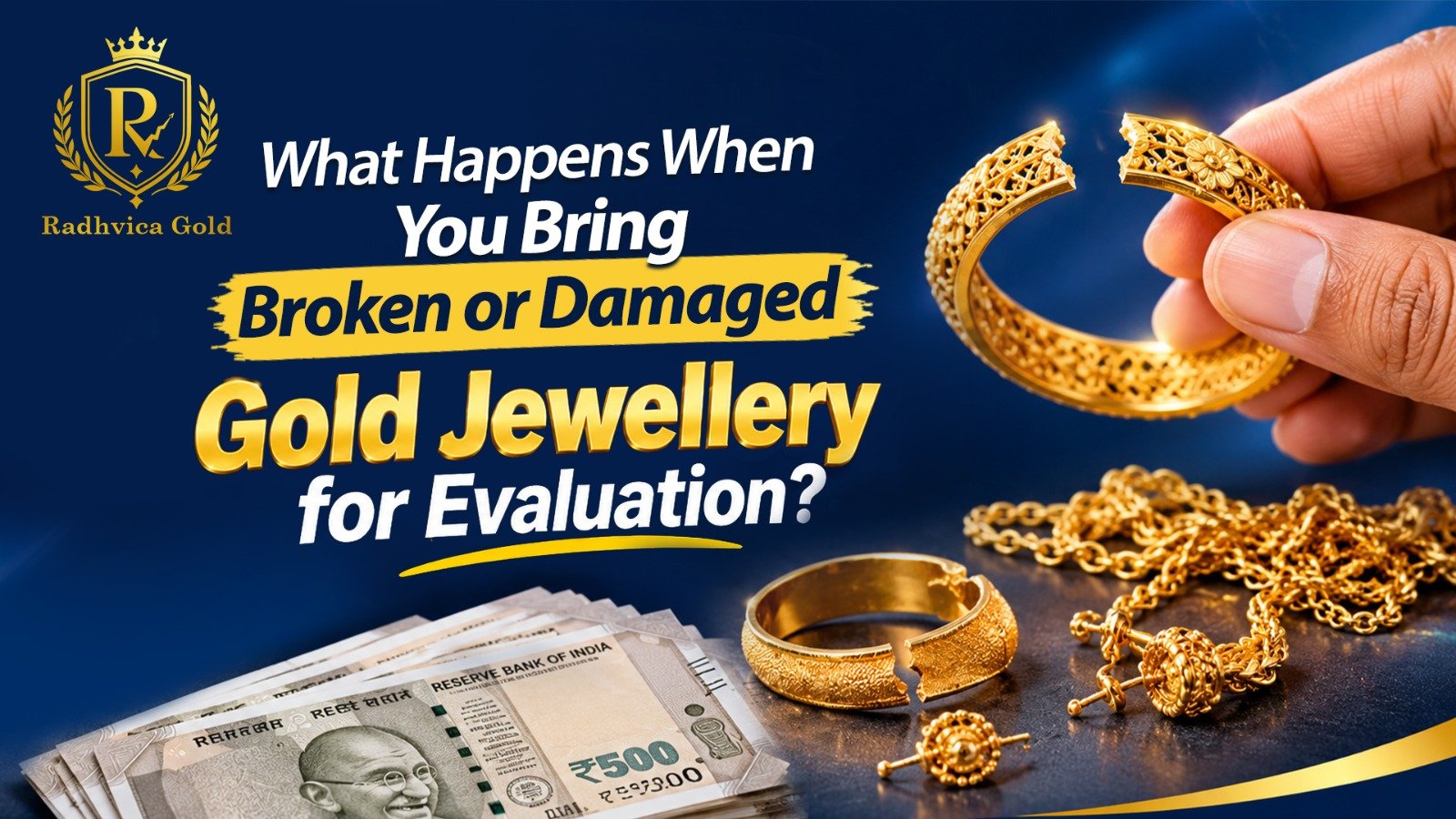
How to Get the Best Value for Broken Gold Jewellery?
Most homes hold a quiet collection of gold that is no longer worn: a snapped chain, a dented bangle or a single earring whose partner went missing years ago. Owners may assume damage has erased their worth, but broken jewellery can still hold value. Its condition may affect repair or reuse, not automatically the value of the gold it contains. Understanding how damaged ornaments are evaluated can help you make a more informed decision.
Damage Does Not Erase Gold Value
A bent ring, broken clasp or piece missing a stone may look unusable, yet the precious metal remains. Gold value is assessed mainly through purity and net weight. Stones, beads, enamel and other non-gold components are considered separately.
When approaching Broken Gold Buyers, choose a buyer who explains how each item is examined and how its value is calculated. A clear process helps you understand the result before deciding whether to sell. Even small or heavily damaged pieces deserve proper evaluation.
Step One: Begin with an Inspection
Evaluation usually starts with a visual inspection. The appraiser identifies the jewellery, checks for hallmarks and notes damage, repairs or attached materials. Keep loose fragments together, as even small pieces may contain gold. Ask how stones or other non-metal elements will be treated when calculating the net gold weight.
Bills, certificates or hallmark documents can be useful, but a proper assessment is still important if paperwork is unavailable. An organised inspection also helps ensure that every piece is accounted for during the evaluation.
Step Two: Confirm the Gold Purity
Purity is one of the most important factors in determining value. Jewellery comes in different carat levels, including 18K and 22K. Hallmarks offer guidance, while testing verifies purity, particularly in older or repaired ornaments.
Professional Gold Purity Testing should explain the method and make the result easy to understand. Some buyers use XRF technology to analyse metal composition without damaging the jewellery. Ask whether testing is carried out in your presence and whether the findings are clearly communicated. Accurate purity readings form the foundation of a fair valuation.
Step Three: Weigh the Gold Accurately
After inspection and purity testing, the jewellery is weighed using a calibrated digital scale. Valuation uses net gold weight, not necessarily the total weight of an ornament containing stones or other materials. Check the scale display to confirm the measurement.
A reliable evaluator will explain how the final weight is determined and clarify any separation or deductions before calculating the price. Visible weighing also helps build confidence in the evaluation process.
Step Four: Understand the Valuation
The value is generally calculated using confirmed purity, net gold weight and the applicable gold rate. The evaluator should show how these factors contribute to the amount offered. Any deductions relating to non-gold components or impurities should be explained clearly.
A transparent Gold Valuation should provide a breakdown of the rate, purity, weight and applicable deductions. Understand the offer before agreeing to a sale. A written breakdown of the calculation gives you a useful record to review later and makes it easier to compare different offers.
Choosing Where to Sell
When comparing Gold Buyers, look beyond the advertised rate. Check that testing, weighing and payment terms are explained clearly. Ask about service charges or deductions in advance. The final amount matters more than a headline price. If you plan to Sell Gold, compare the complete valuation rather than the quoted rate alone.
Radhvica Gold emphasises transparent evaluation, helping customers understand the factors considered when assessing old, unused or damaged gold. Knowing how the process works allows you to approach the evaluation with greater confidence.
What Can You Do After the Evaluation?
Once you know the value, you may sell unused pieces, exchange them towards another purchase or keep sentimental ornaments. If a piece has family significance, consider repair or remodelling before making a final decision.
Before visiting a buyer, gather loose fragments, bring available documentation and avoid discarding any part of the jewellery. Do not feel pressured to accept an offer immediately. Take time to understand the valuation and consider whether the offer meets your expectations.
Broken gold jewellery is not necessarily a lost cause. Careful inspection, reliable purity testing, accurate weighing and a clear valuation can turn forgotten ornaments into an informed choice. Whether you sell, exchange, repair or retain them, understanding their gold content is the best place to begin.
Don’t let broken pieces gather dust. Discover what your damaged gold is truly worth.
“Every broken piece still carries its worth, waiting to be measured with honesty and care.”

 “Ready to Sell Your Gold? 💬 Chat With Us on WhatsApp”